
What to consider when choosing an ANPR-based parking management system?

Key technical, operational and regulatory factors to evaluate before going barrier-free.
As ANPR-based parking becomes more common across Europe, many operators and property owners are considering barrier-free parking for the first time. The promise is appealing: smoother traffic flow, reduced maintenance, and a better experience for drivers.
However, not all ANPR systems are created equal.
Choosing the right solution can feel complex. Especially if you are new to ANPR or operating in a market with strict regulatory requirements. To make the evaluation process clearer, this article presents nine practical tips to consider when choosing an ANPR-based parking system. Together, they highlight what truly matters beyond cameras, features and pricing, and help you make a decision that delivers long-term operational value.
Tip 1: Recognition accuracy and real-world reliability
At the heart of any ANPR system is its ability to correctly recognise vehicle number plates, consistently and in real-world conditions. High accuracy is not just a technical metric.
Even small recognition errors can lead to:
Incorrect charges or enforcement cases
Increased customer support workload
Reduced trust from users and stakeholders
When evaluating accuracy, look beyond best-case scenarios. Ask:
How does the system perform in rain, snow or low light?
How does it handle high traffic volumes or tailgating?
What happens with dirty plates, trailers or bike racks?
Reliable recognition builds trust. Unreliable recognition quickly erodes it.
Tip 2: Camera setup and hardware flexibility
Camera architecture plays a major role in performance. One key distinction is between single-camera and dual-camera setups. Dual-camera systems (capturing both front and rear plates) typically provide:
Higher recognition rates
Built-in redundancy
Better performance in complex environments
Equally important is hardware flexibility. Systems that are locked to proprietary cameras can limit your options over time.
Hardware-agnostic solutions allow you to:
Avoid vendor lock-in
Adapt to site-specific conditions
Upgrade components without replacing the entire system
Tip 3: Separation of hardware and software
Some ANPR solutions process number plates directly inside the camera. Others separate hardware from software and process video centrally. A modular architecture where software and hardware are independent often enables:
Easier optimisation and updates
Better scalability across multiple sites
Greater long-term flexibility
This architectural choice has lasting implications for cost, performance and future expansion.
Tip 4: Data protection and regulatory compliance

In the European markets, data protection is not optional. It is foundational. An ANPR system must be designed with compliance in mind from day one. Consider:
How and where data is stored
Purpose limitation and transparency
Retention policies and access control
Alignment with GDPR and local regulations
Clear documentation and built-in safeguards are essential, especially when working with public authorities or enterprise customers.
Security first
At Autopay, our ISO 27001 certification confirms that data is handled securely, responsibly and in line with internationally recognised standards. Read more about our ISO certifications here.
Tip 5. User experience and payment flexibility
ANPR is often sold on operational efficiency, but the driver experience is just as important. A well-designed system should:
Remove the need for tickets, barriers or stopping
Offer intuitive and flexible payment options
Minimise uncertainty for occasional users
A smoother experience leads to fewer complaints, lower support costs and higher acceptance of barrier-free parking.
Tip 6. Integration capabilities and ecosystem compatibility
Modern parking systems rarely operate in isolation. ANPR solutions should integrate seamlessly with:
Payment providers
Property or asset management systems
EV charging and mobility platforms
Access control or authorisation services
An open, API-driven approach allows you to build an ecosystem, not a silo.
Thinking beyond a single site? Read more about parking management with Autopay here.
Tip 7: Scalability and operational complexity
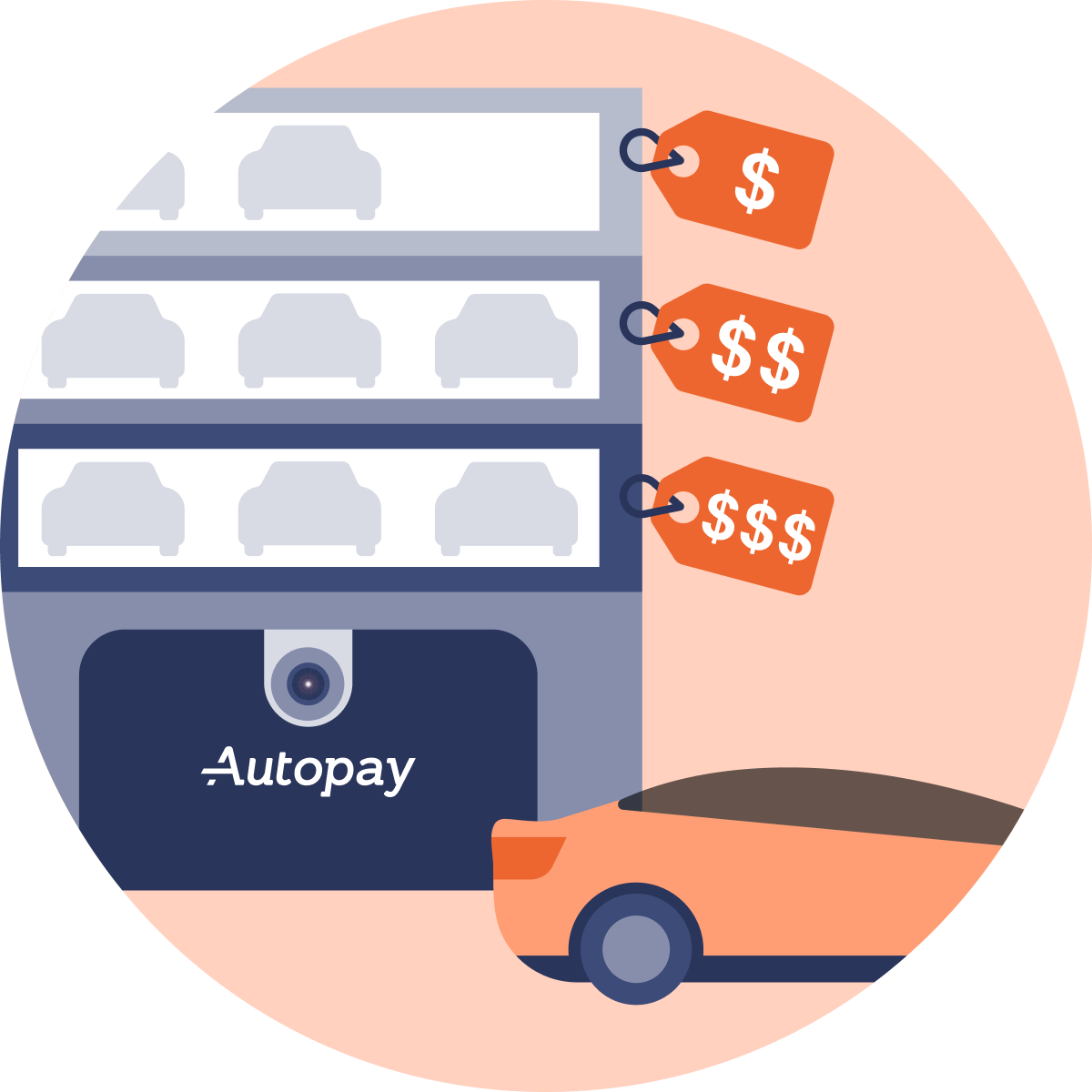
Your first ANPR deployment may be small, but it should not limit future growth. A scalable system should support:
Small private car parks and large portfolios alike
Multiple tariffs and user groups
Contract parking and authorisations
High transaction volumes
Scalability ensures your solution remains viable as requirements evolve.
Tip 8: Reporting, insights and decision support
Beyond automation, ANPR generates valuable data. Look for solutions that provide:
Clear operational reporting
Real-time monitoring
Historical data for optimisation and planning
Good data supports better decisions and continuous improvement.
Tip 9. Implementation, support and long-term partnership
Technology alone is not enough. Successful ANPR projects depend on:
A smooth and predictable implementation
Access to local expertise and support
Experience with similar regulatory environments
A clear product roadmap
Choosing an ANPR provider is a long-term partnership. Trust and competence matter.
From evaluation to implementation
Selecting an ANPR-based parking system is not just a technical choice. It is a strategic one. By focusing on reliability, compliance, flexibility and scalability, operators can implement solutions that deliver long-term value for both their organisation and their customers.
Curious what this could look like for your site or portfolio? Get in touch with our team today.
