
Smarter pricing for smarter EV charging
How dynamic pricing helps operators maximise utilisation and revenue
As electric vehicles become a mainstream part of everyday mobility, the demands placed on public charging infrastructure are increasing rapidly. For charge point operators and site owners, the challenge is no longer simply deploying chargers, but ensuring they are used efficiently, fairly and profitably. Pricing plays a central role in this equation. Static tariffs struggle to reflect real-world conditions such as fluctuating demand, peak usage periods and location-specific constraints. This is where dynamic pricing is proving to be a powerful operational and commercial tool.
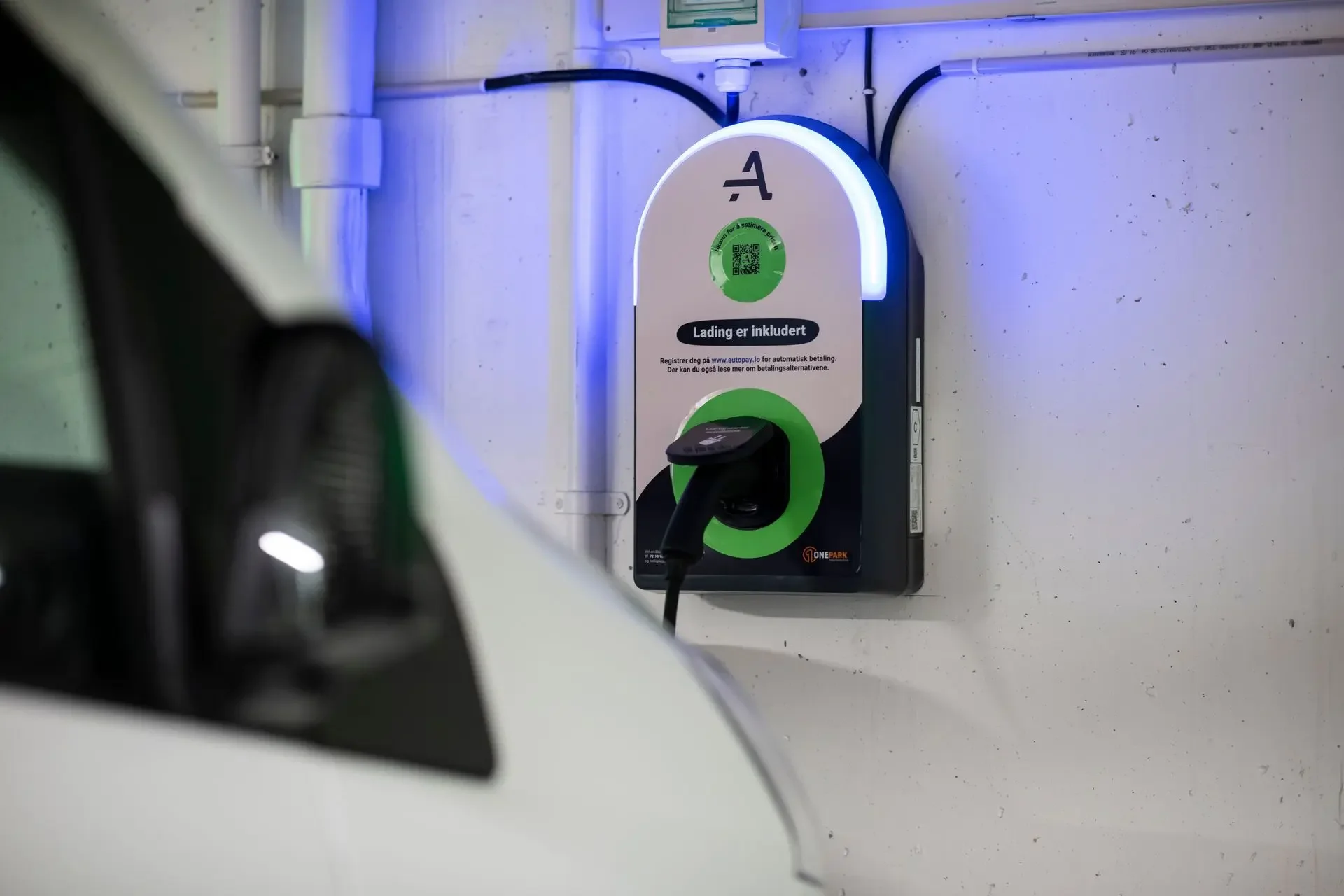
Turning demand into a strategic advantage
Dynamic pricing allows charging tariffs to adjust in line with factors such as time of day, location and utilisation levels. For operators, this creates a direct mechanism to influence driver behaviour and balance demand across the network. During peak periods, higher prices can reflect limited capacity and discourage unnecessary dwell time. At quieter times, lower tariffs incentivise off-peak charging, increasing utilisation without additional infrastructure investment. The result is a more evenly loaded network and a better experience for drivers.
Improving utilisation without adding hardware
One of the key advantages of dynamic pricing is its ability to unlock latent capacity within existing infrastructure. By guiding drivers towards less congested locations or off-peak charging windows, operators can serve more sessions per charger, per day. This not only reduces pressure on high-demand sites but also improves return on investment across the wider network. In many cases, smarter pricing can defer or reduce the need for costly physical expansion.
Supporting sustainable revenue models
From a commercial perspective, dynamic pricing enables operators to align pricing more closely with demand and operating costs. Peak pricing captures the true value of scarce capacity, while increased off-peak usage drives higher overall throughput. When combined with clear communication and predictable pricing logic, dynamic pricing can increase revenue without undermining customer trust, supporting long-term, scalable business models.

Transparency and fairness remain critical
Successful implementation depends on transparency. Drivers must be able to easily understand when and why prices change. Clear pricing structures, upfront communication and intuitive user interfaces are essential to avoid confusion or frustration. Equally important is ensuring pricing remains fair and non-discriminatory. Dynamic pricing should be designed to manage demand, not exclude users or create unintended barriers to access.
A foundation for future-ready charging networks
As EV adoption accelerates and charging networks grow in scale and complexity, operators need tools that go beyond static pricing. Dynamic pricing offers a flexible, data-driven approach to managing utilisation, improving efficiency and strengthening commercial performance. For operators looking to future-proof their charging infrastructure, smarter pricing is not just an option - it is becoming a competitive necessity.
