
Single-camera vs dual-camera ANPR systems: what actually matters in practice
How camera architecture impacts accuracy, reliability and operational risk.
When evaluating an ANPR-based parking management system, most conversations focus on software, automation and user experience.But one of the most critical decisions is often overlooked: camera architecture. Should you rely on one camera per lane, or two?
It might sound like a technical detail. In practice, it directly determines how reliable your system will be when it matters.
Why camera architecture matters
ANPR doesn’t operate in a controlled environment. It operates in reality.
That means:
Vehicles arrive at different speeds and angles
Plates are dirty, damaged or partially obscured
Lighting changes throughout the day
Weather impacts visibility
The question isn’t whether these factors exist. It’s whether your system is designed to handle them consistently.
New to ANPR? Read our guide: What is ANPR and how does it work in modern parking systems?
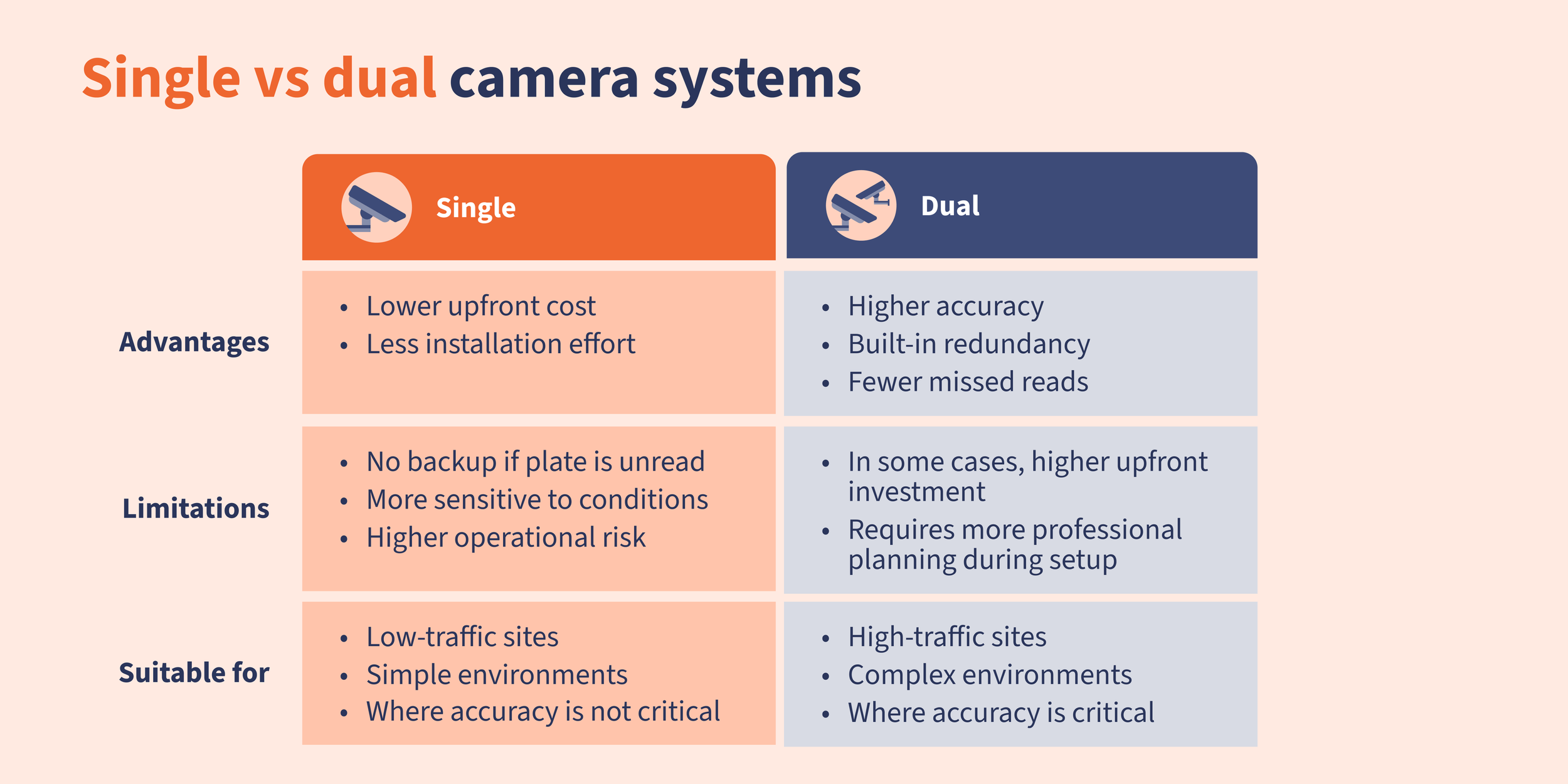
Single vs dual: the practical difference
Single-camera systems
A single-camera setup captures one angle, typically front. This can work in predictable environments with:
Low traffic
Minimal variability
Limited operational risk
But it introduces a fundamental limitation: you only get one chance to get it right. If that image fails, there is no fallback.
Dual-camera systems
A dual-camera setup captures both front and rear plates. That seemingly small change has a large impact:
If one plate is unreadable, the other can compensate
The system can choose the best image from both camera sources
Recognition becomes more consistent across conditions
It’s not just about accuracy. It’s about reducing uncertainty.
The operational reality: accuracy drives everything
Recognition accuracy isn’t just a technical metric, it shapes day-to-day operations. Lower accuracy leads to:
Manual exception handling
Poor user experiences and support cases
Increased admin workload
Revenue leakage
Higher accuracy reduces friction across the entire operation. This is where architecture becomes an operational decision, not just a technical one.
What we’ve learned from real installations

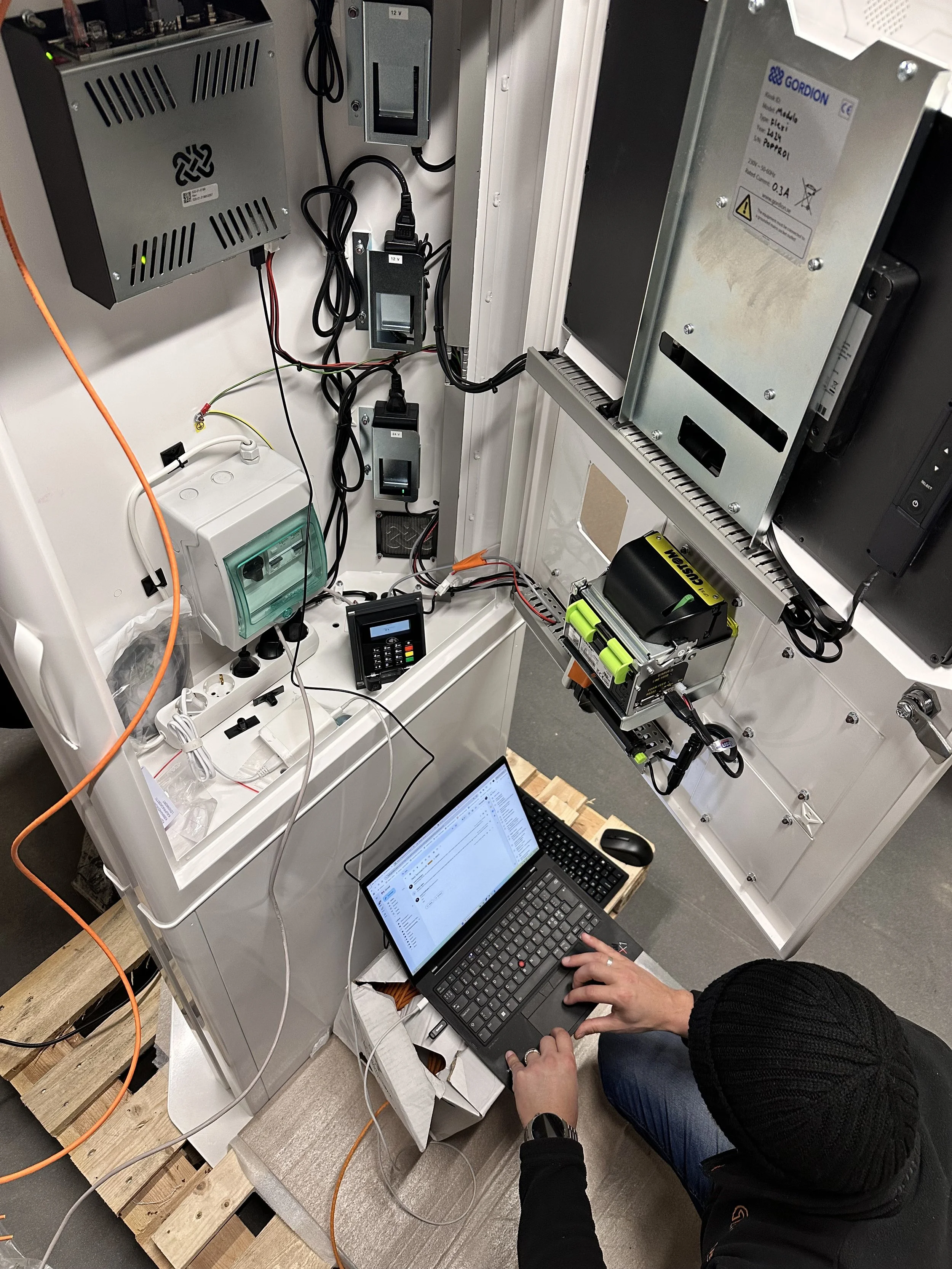
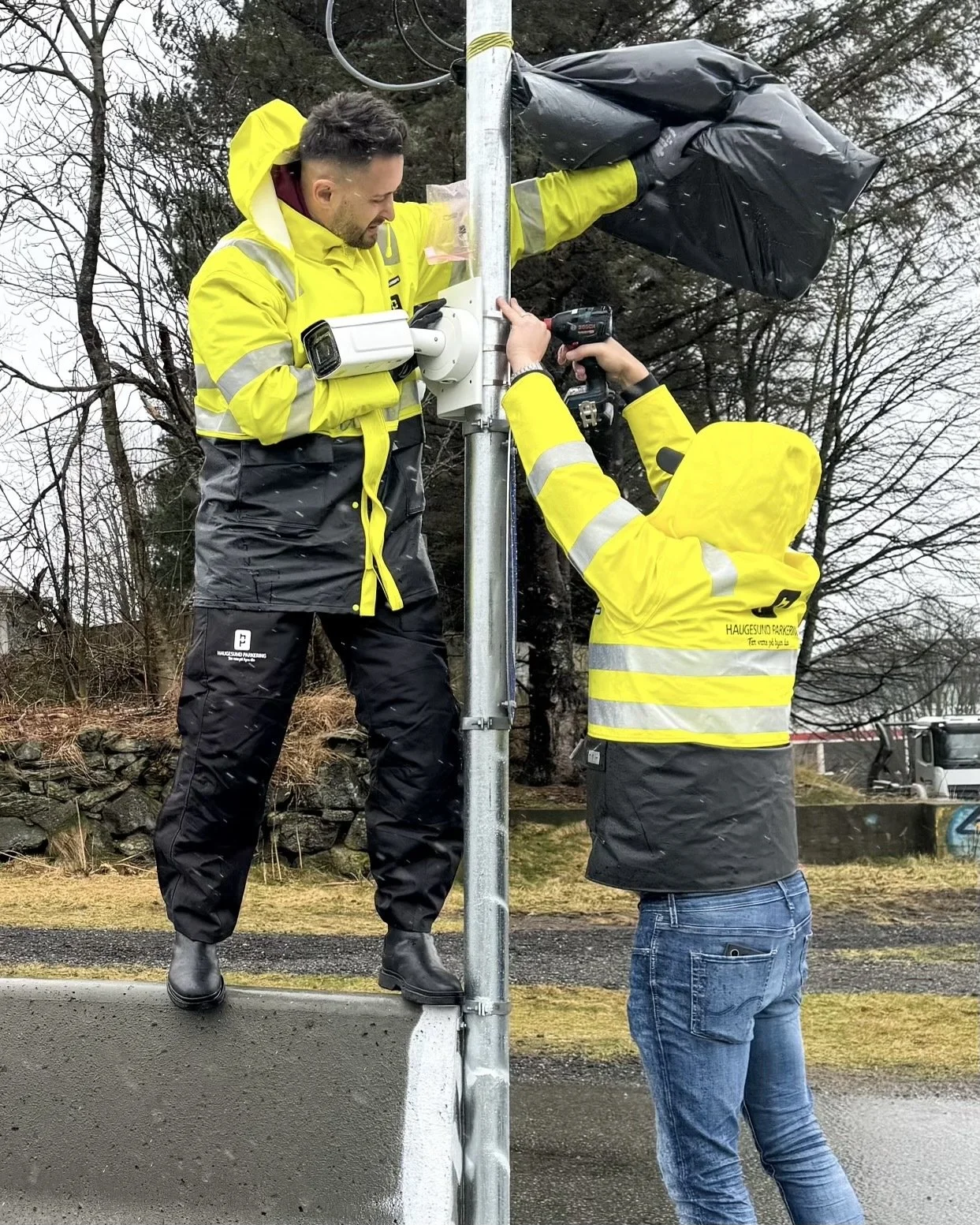
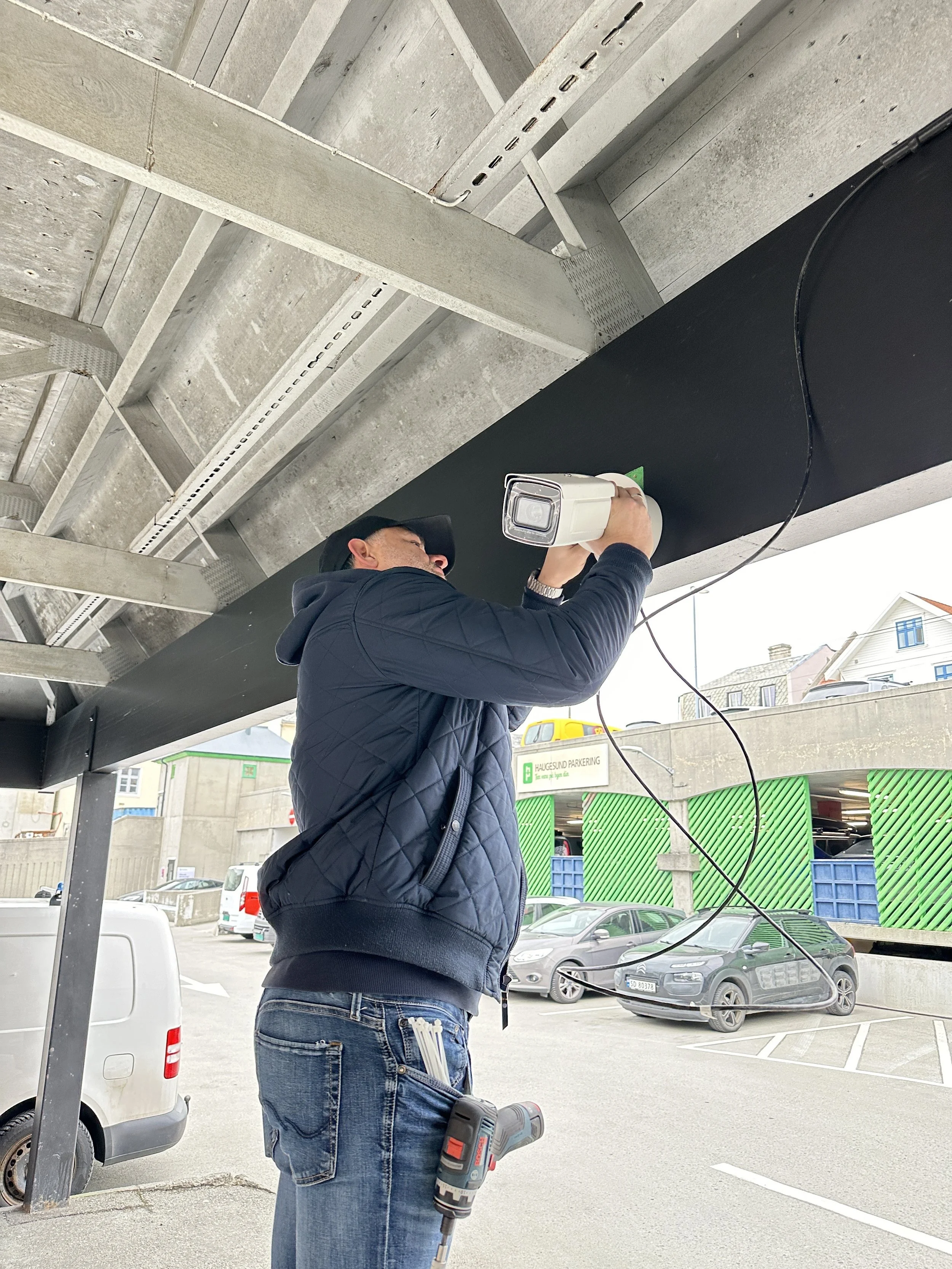
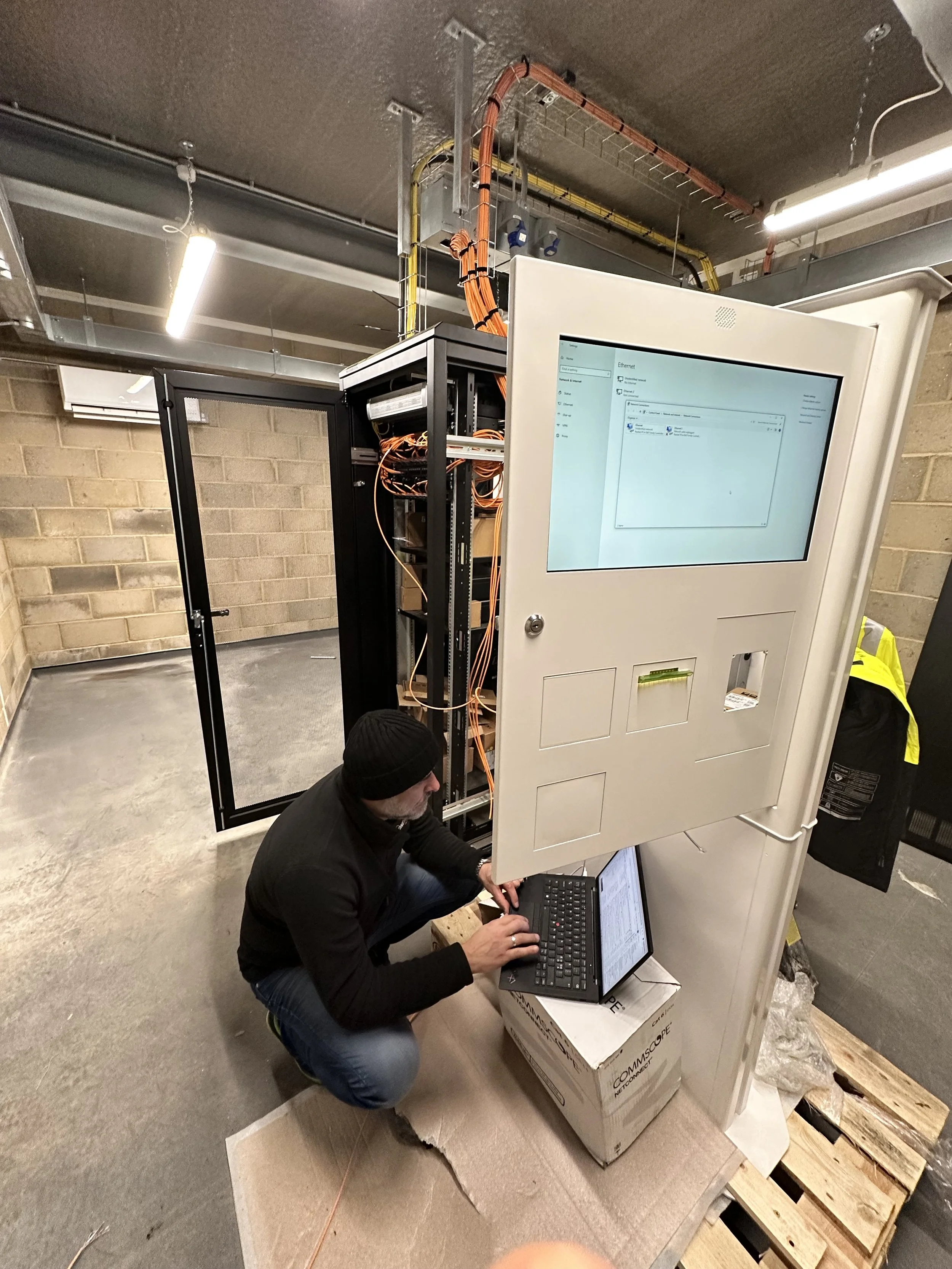
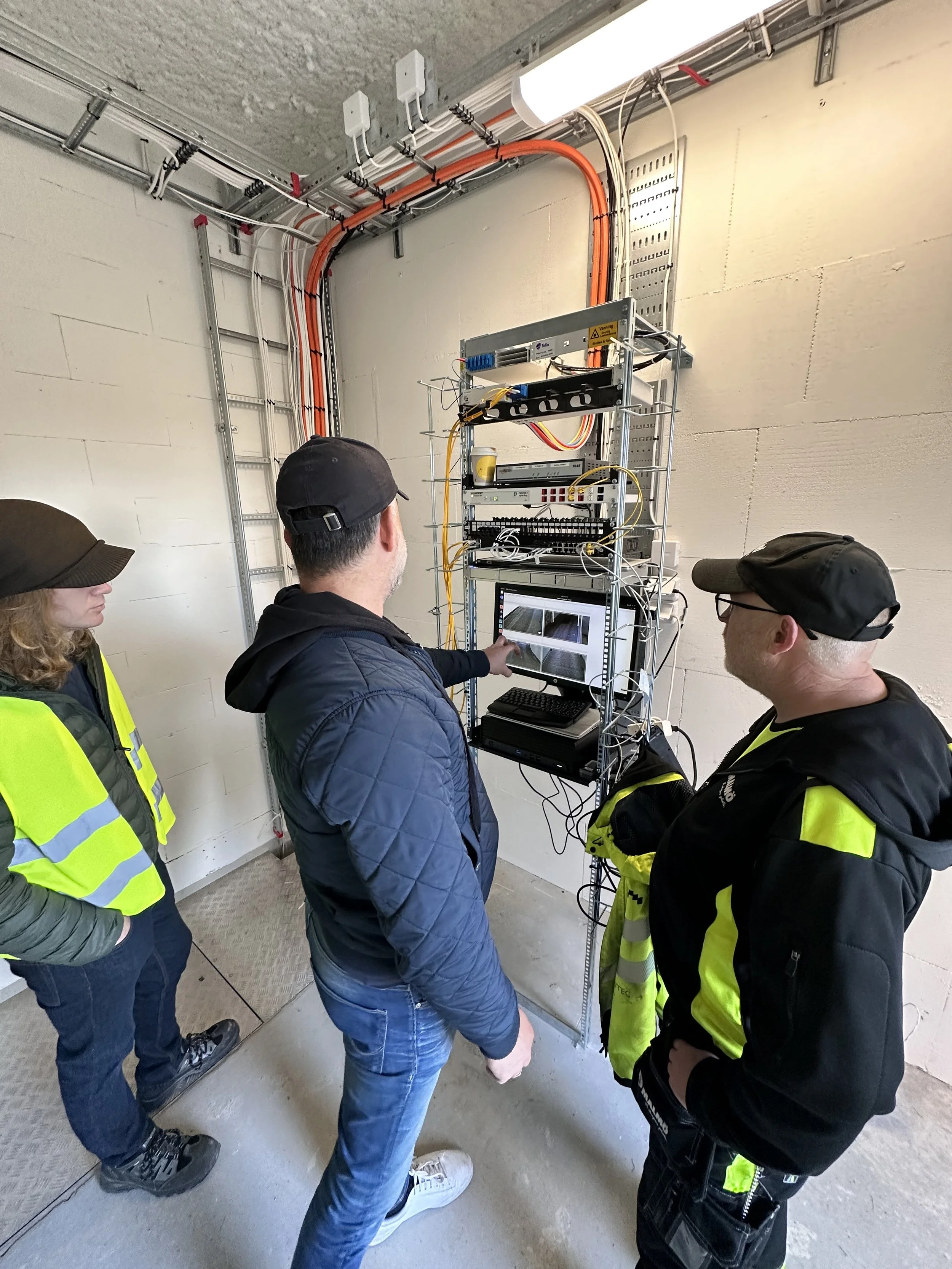
Behind every ANPR deployment are small decisions that determine whether the system performs, or creates friction. Our Hardware Specialist, Lenny Chaliloglou, has worked hands-on with installations across multiple countries. Over time, a few patterns consistently emerge:
Camera placement has a direct impact on recognition
Lighting conditions can significantly degrade performance
Driving lane design is often underestimated
Real-world testing always reveals edge cases
Seasonal conditions (especially winter) change everything
But the biggest learning isn’t about a single factor, it’s about how systems behave under pressure.
What this looks like in practice
Lenny often points to Norway as a benchmark for real-world complexity:
“We started in Norway, one of the most demanding environments for license plate recognition. Wet snow often covers plates, and single-camera setups can drop to ~50% accuracy.”
In these conditions, system design decisions become very visible.
“If we had relied on single-camera setups, it simply wouldn’t have worked.”
From his experience, the key difference isn’t about buying “better” hardware:
“Even the most expensive single camera won’t outperform a dual-camera setup. It’s not about price, it’s about having two opportunities instead of one.”
This also challenges a common assumption:
“You don’t need two expensive cameras. Two well-placed standard cameras with a proper engine outperform one high-end camera, often at lower cost.”
In other words: performance comes from architecture and system design, not just components.
Compliance, trust and risk
In regulated environments, errors don’t just create inconvenience - they create risk. Missed or incorrect recognitions can lead to:
Incorrect billing
Customer disputes
Reputational damage
More consistent capture leads to:
Stronger audit trails
Better data quality
Increased trust in the system
Cost: short-term vs long-term thinking
Single-camera systems often appear cheaper upfront. But total cost of ownership tells a different story:
More manual handling
Higher support load
Increased operational friction
Dual-camera systems reduce these hidden costs over time.
The real takeaway
This isn’t just about cameras. It’s about designing a system that works when conditions aren’t ideal, because that’s when it matters most. The right architecture reduces manual work, protects revenue and creates a more predictable operation.
In practice, when readability and operational continuity are critical, dual camera setups stand out as the stronger choice. They improve accuracy and ensure operations can continue even if one camera fails, making the system more robust where it counts most.
Want to assess what setup fits your site? Get in touch with our team
