
Payment flexibility in parking: Why one payment method is no longer enough
The way people pay for goods and services has changed dramatically over the last decade. Whether ordering food, booking travel, paying for public transport or making everyday purchases, consumers have become accustomed to choosing the payment method that suits them best. Some prefer mobile apps, others use digital wallets, and many expect payments to happen automatically in the background with as little effort as possible.
Parking is no exception.
Yet many parking facilities still rely on a single payment method and expect every driver to follow the same process. For operators, this can create unnecessary friction, while for drivers it often leads to confusion, frustration and missed payments. The challenge is no longer finding a way for drivers to pay. The challenge is providing payment options that match the expectations of different user groups while keeping operations simple and efficient.
One facility can serve thousands of different users
Modern parking facilities rarely serve a single type of customer. An airport may accommodate frequent travellers, tourists, business travellers, rental car users and international visitors within the same facility. A shopping centre may welcome daily visitors, occasional customers, elderly drivers, app users and people who simply want the quickest possible parking experience.
Each of these groups has different expectations and preferences when it comes to payment. While some drivers are comfortable registering a profile and enabling automatic payment, others prefer to pay manually after their visit. Some actively use parking apps, while others expect a traditional payment machine to be available.
The reality is that no single payment method suits everyone. Operators who recognise this are often better positioned to deliver a positive customer experience while reducing administrative workload.

The best payment experience is often the one drivers never notice
When parking works well, drivers spend very little time thinking about it. They drive in, park their vehicle, continue with their day and leave when they are finished. Ideally, payment should be just as effortless.
This is why automatic payment has become the preferred option for many users. By registering a vehicle and payment card once, drivers can simply enter and exit participating facilities without taking any additional action. The parking session is identified through automatic number plate recognition technology, and payment is processed automatically after departure.
For operators, automatic payment often delivers more than convenience. It reduces customer support requests, minimises payment-related confusion and contributes to higher payment completion rates. Put simply, fewer drivers need assistance because the payment process takes care of itself.
Giving drivers control when they want it
Not every user wants a fully automated experience. Some prefer to manage their own settings, switch between vehicles or use different payment cards depending on the situation.

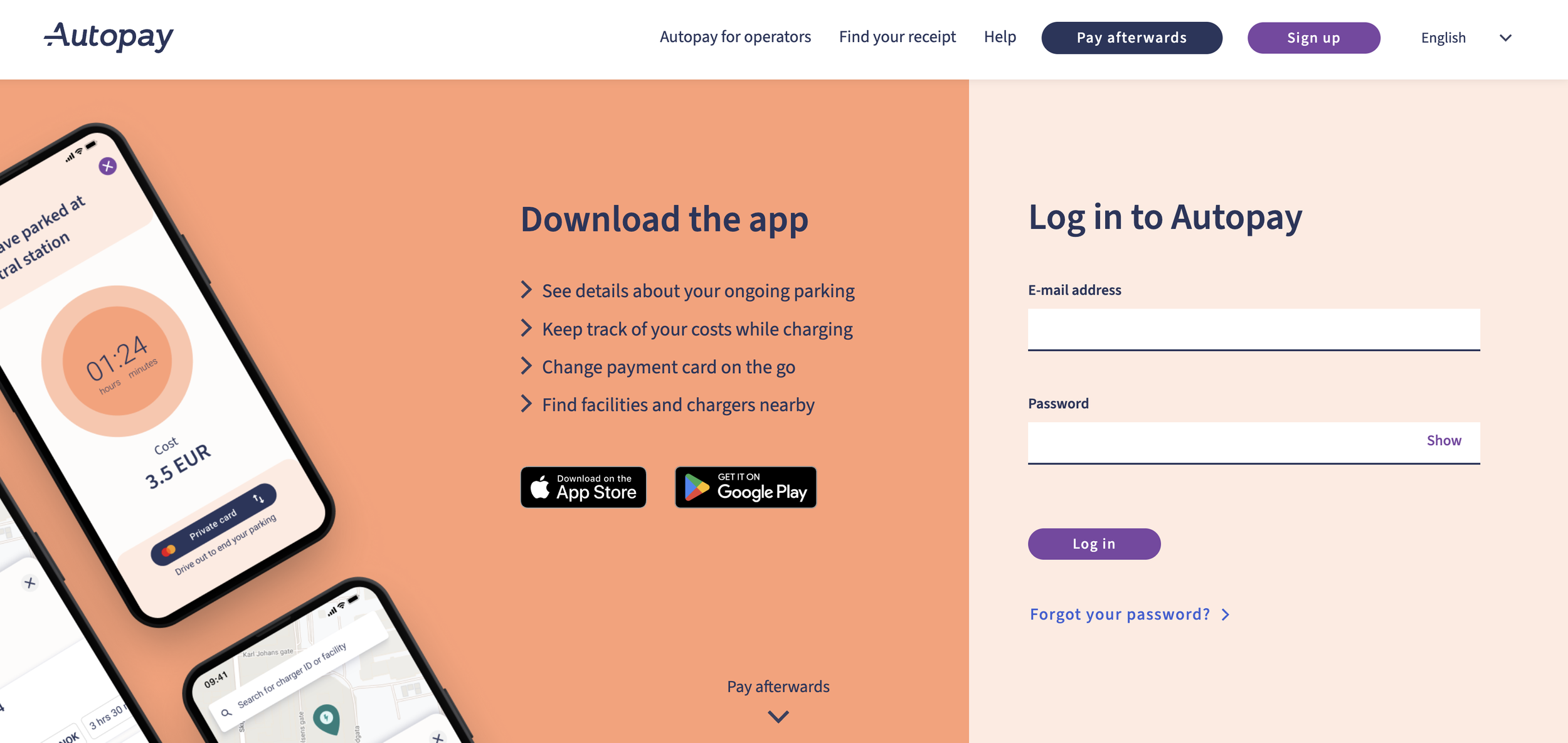
The Autopay app is designed for these users. Through a single interface, drivers can manage vehicles, add or change payment cards, access receipts and control automatic payment settings. For families, businesses and users with multiple vehicles, this flexibility creates a smoother experience while reducing the need to contact customer support.
In many ways, the app serves as a self-service portal that gives users greater visibility and control without increasing operational complexity for the parking operator.
Flexibility matters for occasional visitors too
While frequent users may benefit from automatic payment, occasional visitors often prefer a simpler approach. Creating an account for a one-time visit may feel unnecessary, even if the process itself is straightforward.
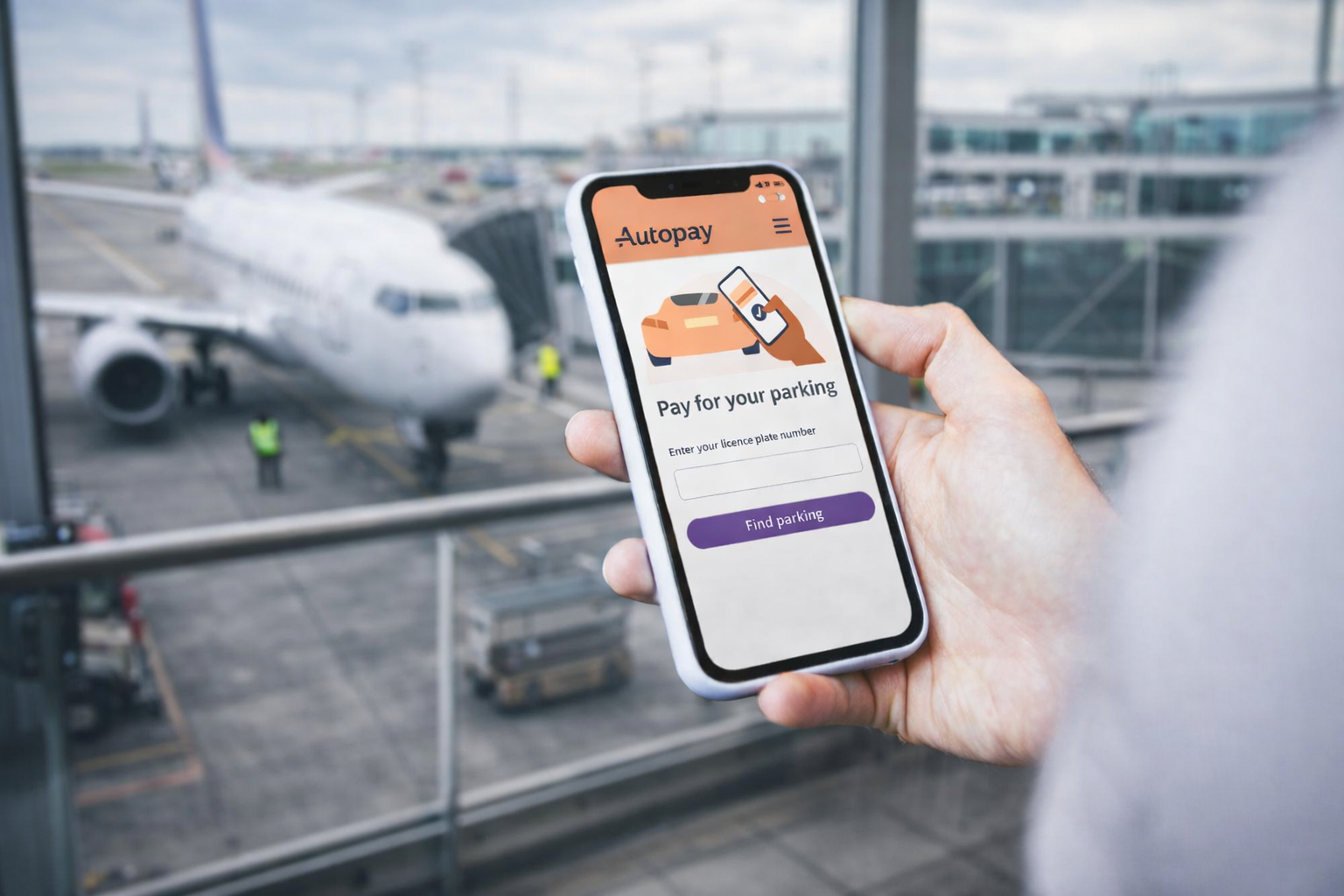
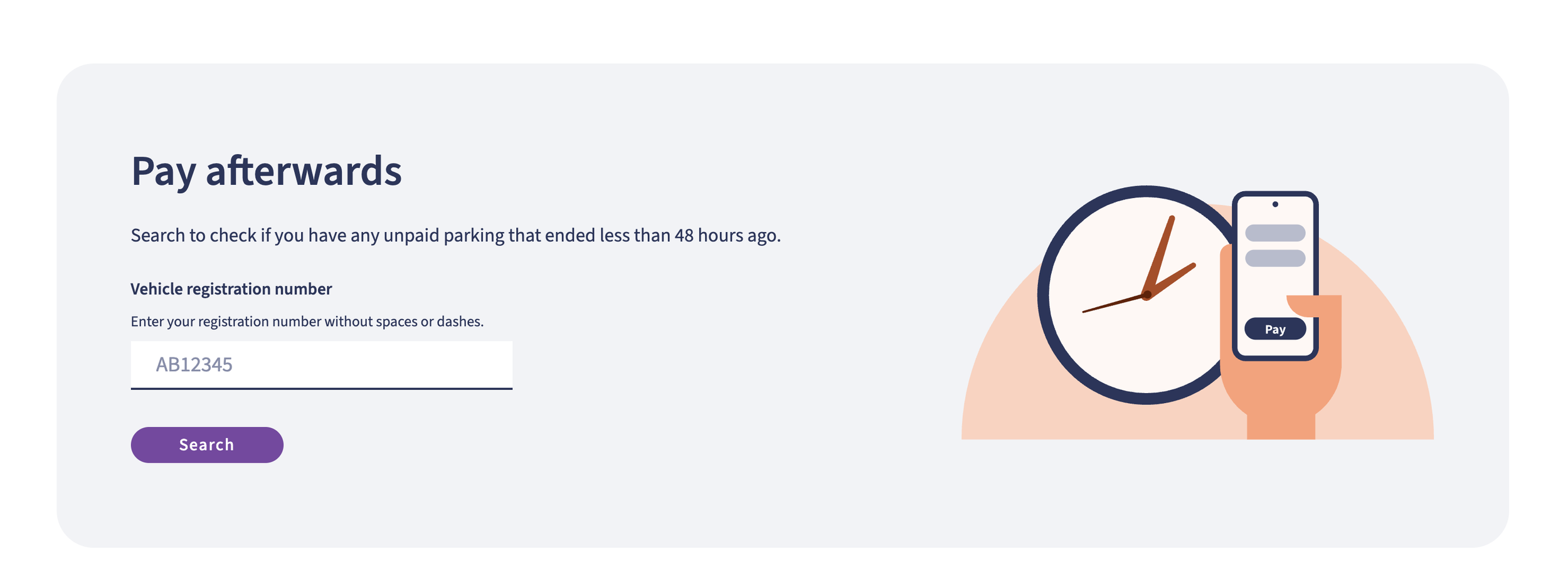
This is where online payment after parking becomes important. By allowing drivers to pay online within 48 hours of leaving a facility, operators can accommodate users who prefer not to register while still maintaining a convenient and compliant payment process.
For drivers, the process is simple. They visit Autopay.io, enter their vehicle registration number and complete payment online. For operators, it provides another route to payment without introducing additional infrastructure or complexity.
Beyond traditional payment machines
For many years, payment machines were the standard solution in parking facilities. While they continue to play an important role in certain environments, digital alternatives are increasingly changing how operators think about payments.
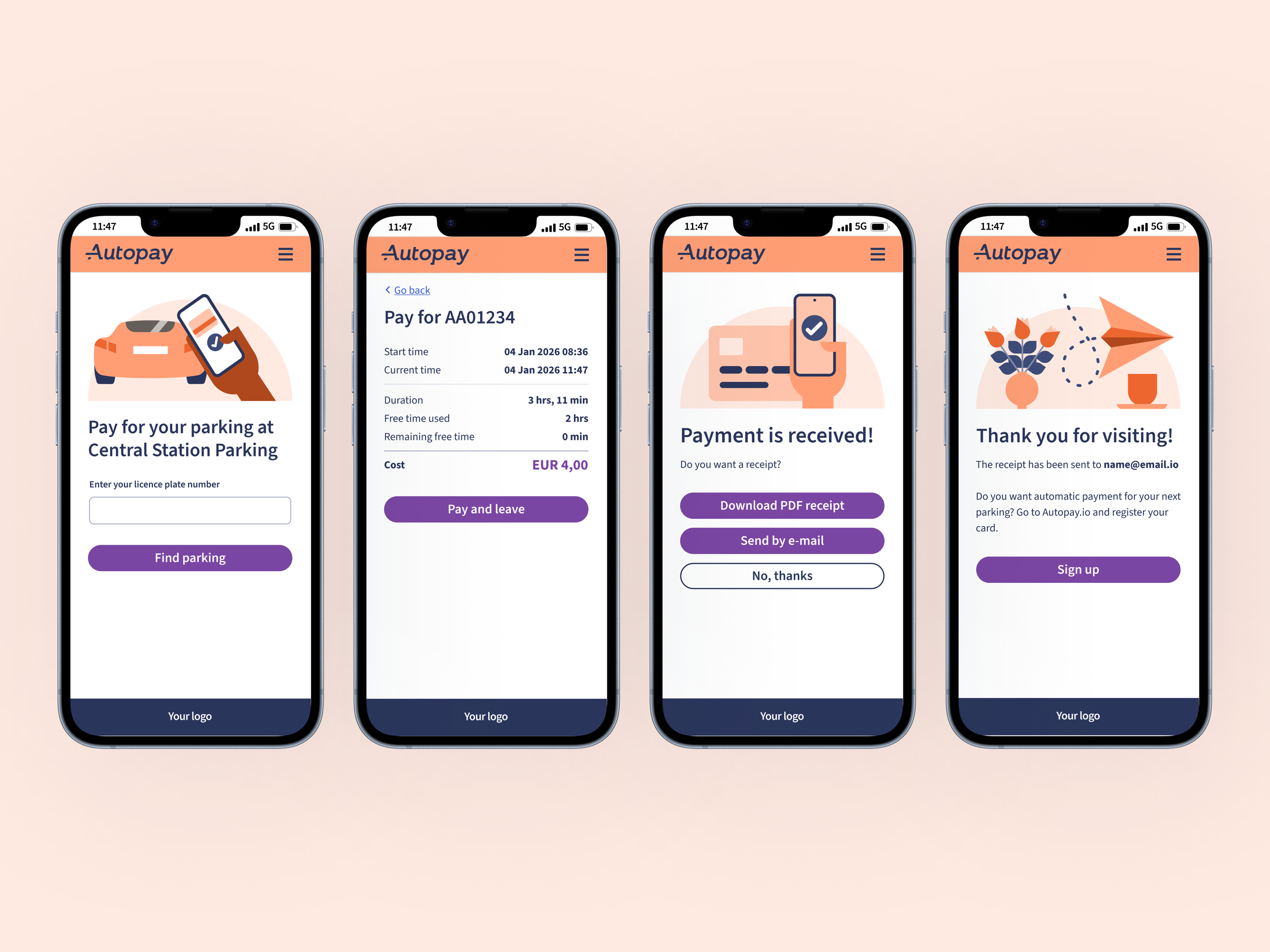
One example is Virtual Kiosk, which allows drivers to scan a QR code and complete payment directly from their mobile phone during an active parking session. Instead of locating a payment machine, users can access a mobile-friendly payment experience wherever they are.
For operators, this creates opportunities to reduce physical infrastructure while still offering a familiar and accessible payment option. In facilities where space, maintenance costs or operational efficiency are priorities, digital alternatives can offer significant advantages.
A payment strategy, not just payment methods
The conversation around parking payments is often focused on technology. Apps, payment machines, QR codes, invoices and online portals all have their place. However, the real objective is not to offer as many payment methods as possible.
The objective is to make payment feel simple.
Different facilities have different needs, and different users have different preferences. A successful parking operation therefore requires flexibility rather than standardisation. Operators should be able to offer automatic payment for regular users, convenient online options for occasional visitors, digital alternatives such as Virtual Kiosk, and traditional payment methods where appropriate.
When payment becomes easier, operators typically see fewer support requests, fewer payment disputes, improved compliance and a better overall customer experience.
The future of parking payments is choice
Drivers increasingly expect parking to work like the rest of the services they use every day. They expect flexibility, convenience and the ability to choose how they interact with a service.
For parking operators, this means thinking beyond a single payment method and instead creating a payment ecosystem that accommodates different types of users. The goal is not to push every driver towards the same solution, but to ensure that every driver can find a solution that works for them.
Because ultimately, nobody visits a parking facility because they want to pay for parking.
They park because they have somewhere else they want to be.
And the easier the payment experience feels, the more likely they are to remember the destination rather than the parking.
