
Capacity Management in Free Flow Parking: How to maintain control without creating friction
One of the most common concerns we hear from parking operators is surprisingly simple:
"How do we maintain control if we remove the barrier?"
It's a fair question.
Many parking facilities rely on barriers, gates or other physical access controls to ensure parking capacity remains available for the right users at the right time.
Whether it's a residential property reserving spaces for residents, an airport protecting capacity for pre-booked customers, or a commercial facility balancing permit holders and visitors, operators need confidence that capacity remains under control.
For many, this is where Free Flow parking raises questions.
Across the parking industry, barriers are often seen as the most reliable way to manage highly utilised parking facilities where capacity must be reserved for specific user groups.
Yet modern parking operations are becoming increasingly dynamic, requiring greater flexibility without sacrificing operational control.
By combining ANPR technology, intelligent Capacity Management and flexible allocation rules, operators can manage occupancy, prioritise users and optimise parking capacity while delivering a seamless parking experience.
In fact, for many facilities, Capacity Management within a Free Flow environment offers greater operational flexibility than traditional access control methods.
The common misconception
A common assumption is that Free Flow parking means open access.
In reality, Free Flow and unrestricted access are not the same thing.
The goal of Free Flow is not to remove control. The goal is to remove unnecessary friction.
Drivers no longer need to stop at a barrier, collect a ticket or queue to enter and exit. But that doesn't mean operators lose visibility, access control or capacity management capabilities.
In many cases, parking operations become easier to manage when control is handled through software rather than physical infrastructure.
The real question is not: "How do we control access?"
The real question is: "How do we control capacity?"
The real challenge: managing mixed user groups
Many parking facilities are neither fully public nor fully private. Instead, they must accommodate several user groups simultaneously.
Examples include:
Airports with staff, permit holders, pre-booked customers and drive-up parking
Office buildings with tenants and visitors
Residential developments with residents and guest parking
Mixed-use facilities combining retail, commercial and residential parking
In these environments, operators rarely know exactly how many customers will arrive throughout the day.
A permit holder may choose not to park.
A pre-booked customer may arrive later than expected.
Drive-up demand may suddenly increase during peak periods.
The challenge is not simply controlling access. The challenge is ensuring that capacity remains available for priority users while still maximising occupancy and revenue. This is where Capacity Management becomes essential.
Where Capacity Management matters most
Airport Parking
Airport parking is one of the most complex parking environments. Operators must balance multiple parking products, staff permits, long-stay customers, short-stay customers and pre-booked reservations.
A customer who has booked parking weeks in advance expects a parking space to be available upon arrival. At the same time, operators want to maximise utilisation by accepting drive-up customers whenever capacity allows.
Capacity Management enables operators to continuously balance these competing demands without relying solely on physical barriers.

Residential Parking
Residents expect parking availability when they return home.
At the same time, visitor parking demand often fluctuates throughout the day.
Capacity Management allows operators to reserve capacity for residents while still making unused spaces available for visitors and temporary users.
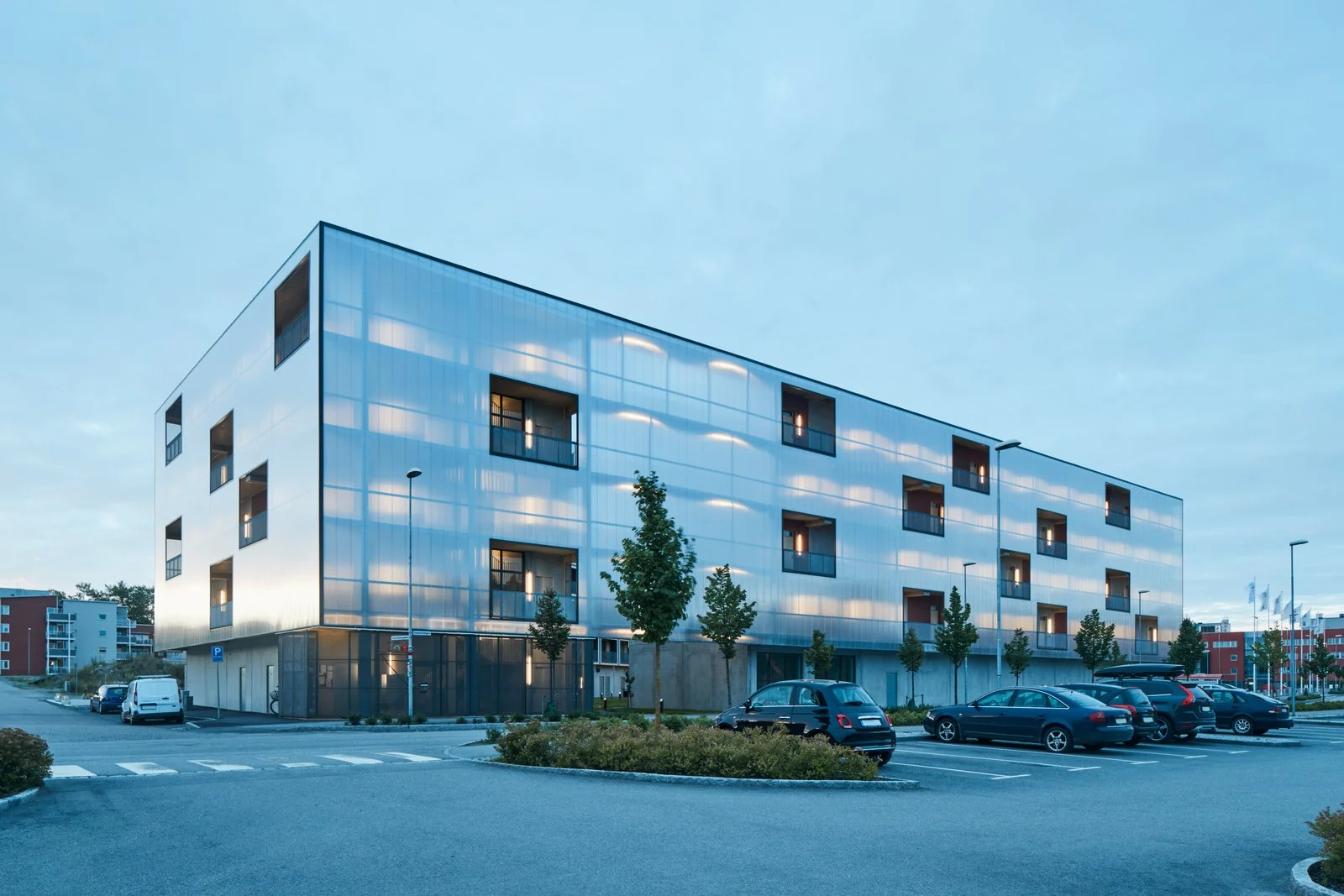
Office and Commercial Parking
Many office locations need to balance tenants, employees, contractors and visitors.
Rather than assigning permanently reserved spaces that remain unused for large parts of the day, operators can dynamically allocate capacity based on actual demand.
How Capacity Management works in practice
Rather than relying entirely on physical infrastructure, Capacity Management uses software-defined rules to control how parking capacity is allocated.
Operators can:
Reserve capacity for specific user groups
Protect spaces for permit holders
Guarantee availability for pre-booked customers
Allocate capacity across multiple parking products
Adjust availability throughout the day
Control drive-up parking when occupancy thresholds are reached
Optimise utilisation across different parking zones
This allows operators to maintain control while improving overall parking efficiency.
The result is a parking operation that becomes more flexible without becoming less controlled.
Zoning: Not all parking spaces are equal
One of the most powerful aspects of Capacity Management is the ability to manage parking at a zone level. Not every parking space needs to be available to every user group.
Operators can create dedicated zones for:
Residents
Employees
Permit holders
Premium parking
Visitor parking
Pre-booked parking
This provides significantly more flexibility than traditional permit structures while ensuring that the right users have access to the right parking areas. As operational requirements change, capacity can be adjusted without modifying physical infrastructure.
Capacity Management and demand-based pricing
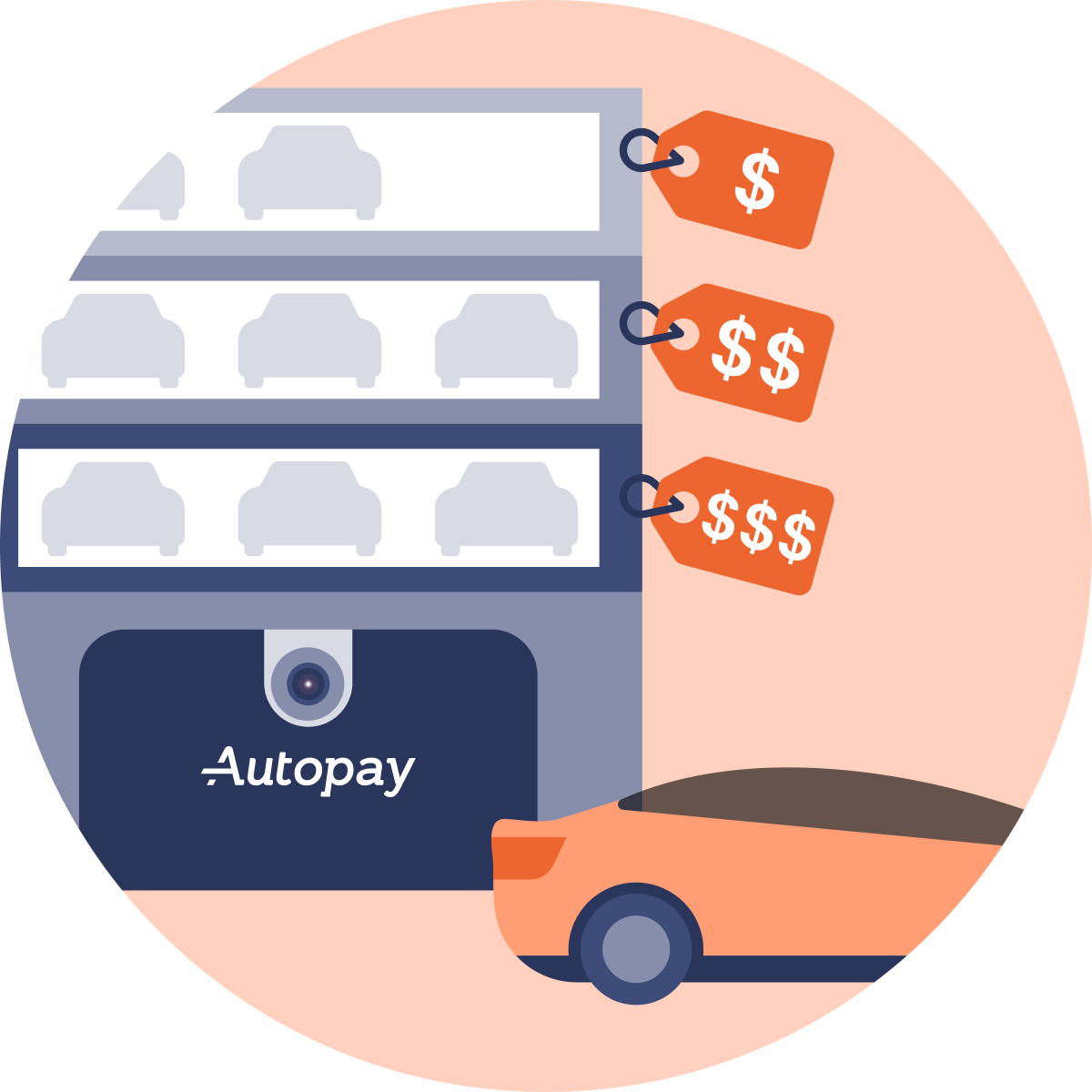
Capacity can also be influenced through pricing strategies. When occupancy increases, operators can use pricing as a tool to regulate demand and encourage drivers towards alternative parking products or locations.
This helps preserve availability for priority users while optimising utilisation across the facility.
Combined with Capacity Management, pricing becomes an operational tool rather than simply a revenue mechanism.
3 Real-World Examples
1) Protecting capacity for Pre-Booked Airport customers
An airport operator may reserve a portion of total capacity for customers who have booked parking in advance. As occupancy rises, the system can automatically protect remaining capacity for these customers while limiting additional drive-up availability.
2) Balancing Residents and Visitors
A residential property may reserve parking for residents during evenings and overnight periods while making unused capacity available to visitors during the day.
3) Managing Demand Across Multiple User Groups
An office complex may allocate capacity to tenants during business hours while opening unused spaces to visitors, contractors or public parking outside peak periods.
In each case, the objective remains the same: Maintain control of capacity while maximising utilisation.
Control without friction
For parking operators, the objective has never changed. The goal remains to provide access to the right users while maintaining efficient use of available capacity. The difference is that modern parking operations no longer require every aspect of that control to be delivered through physical barriers, gates or ticketing systems.
For some facilities, physical access control will continue to play an important role. However, for many operators, Capacity Management provides a more flexible, scalable and data-driven approach to managing parking demand.
By combining ANPR technology, intelligent allocation rules, zoning and demand-based controls, operators can maintain operational control while delivering a seamless parking experience.
The future of parking is not about removing control. It's about managing capacity more intelligently.
